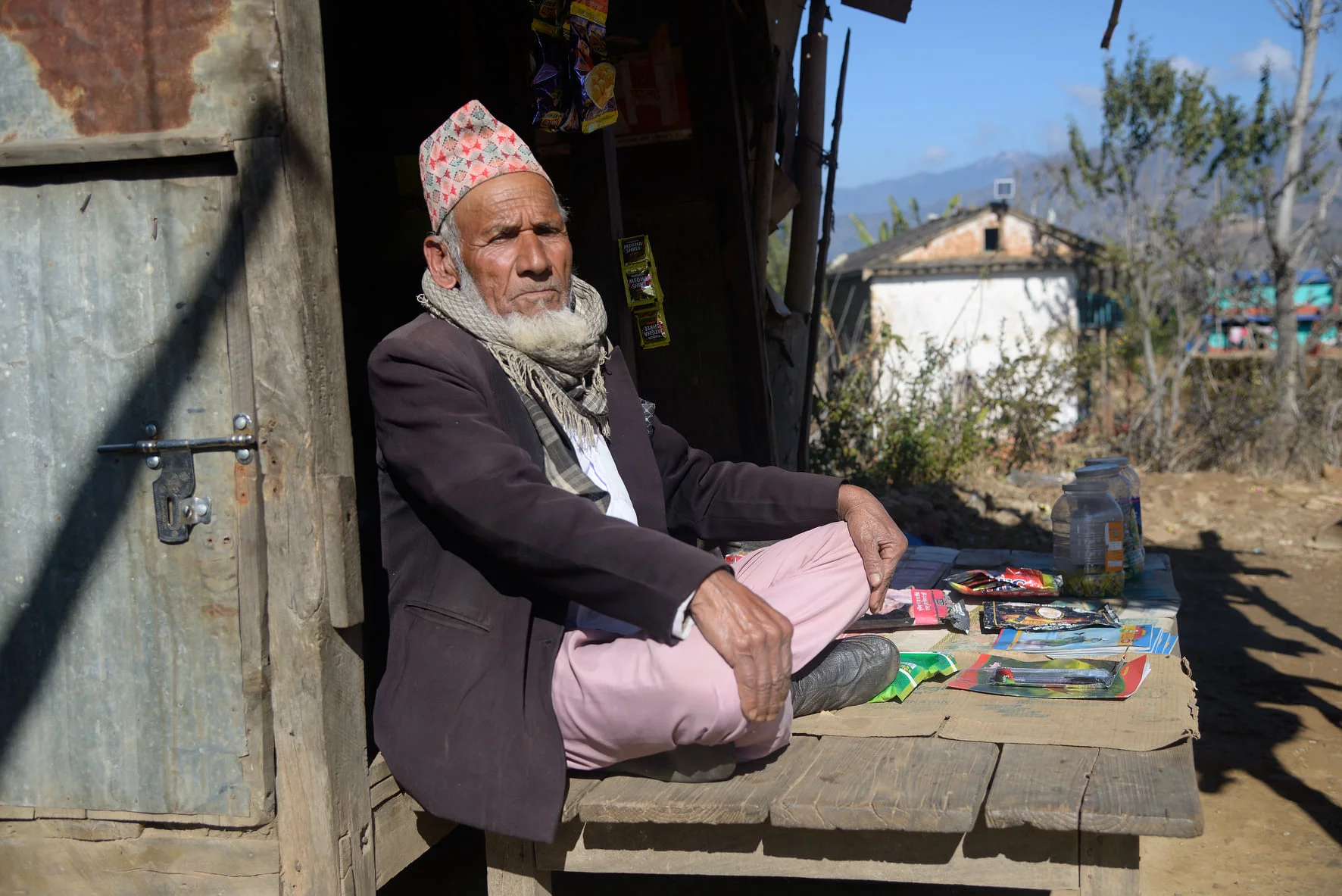
"There was a Badshah in Delhi, Wahad Ali Khan. A British man came to him and begged for some land. The Badshah was kind and so he offered him a piece of land. When the Badshah asked what he was going to do, he told him that he was going to be a trader and would open a store. Every day the man brought in trunks and trunks of goods to his new found land. He continue transporting goods in these trucks even during nights. When suspicious, the Badshah made an enquiry. He told him that he will open his store soon and the his goods were still arriving from the surrounding markets. The Badshah was naive for little did he knew that the man was bringing in arms and ammunitions in those trucks. He also managed to smuggle in his soldiers inside those trunks. One night the British man attacked the palace of the Badshah. Taken by surprise all his men fled. The Badshah could not even find a helper to put on his shoes. He ran to save his life. And all the villagers who lives at his mercy ran away too since their Badshah was not there to protect them. That was when all the muslims entered into Nepal.
This is the story I know and what has been told to us. Some settled in the west while some reached east and in Kathmandu. Some in Bayalpata and some in Kurna khola.
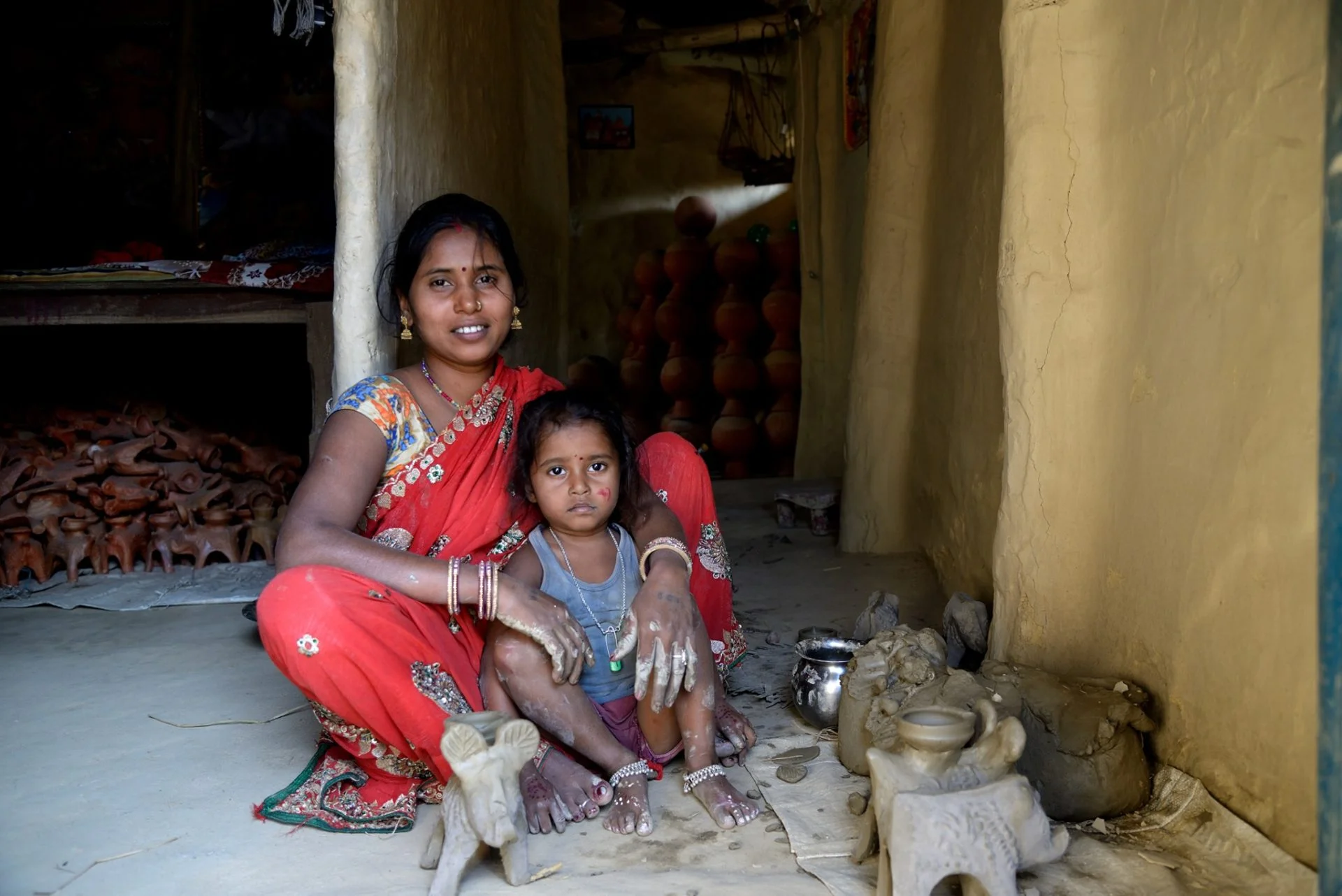
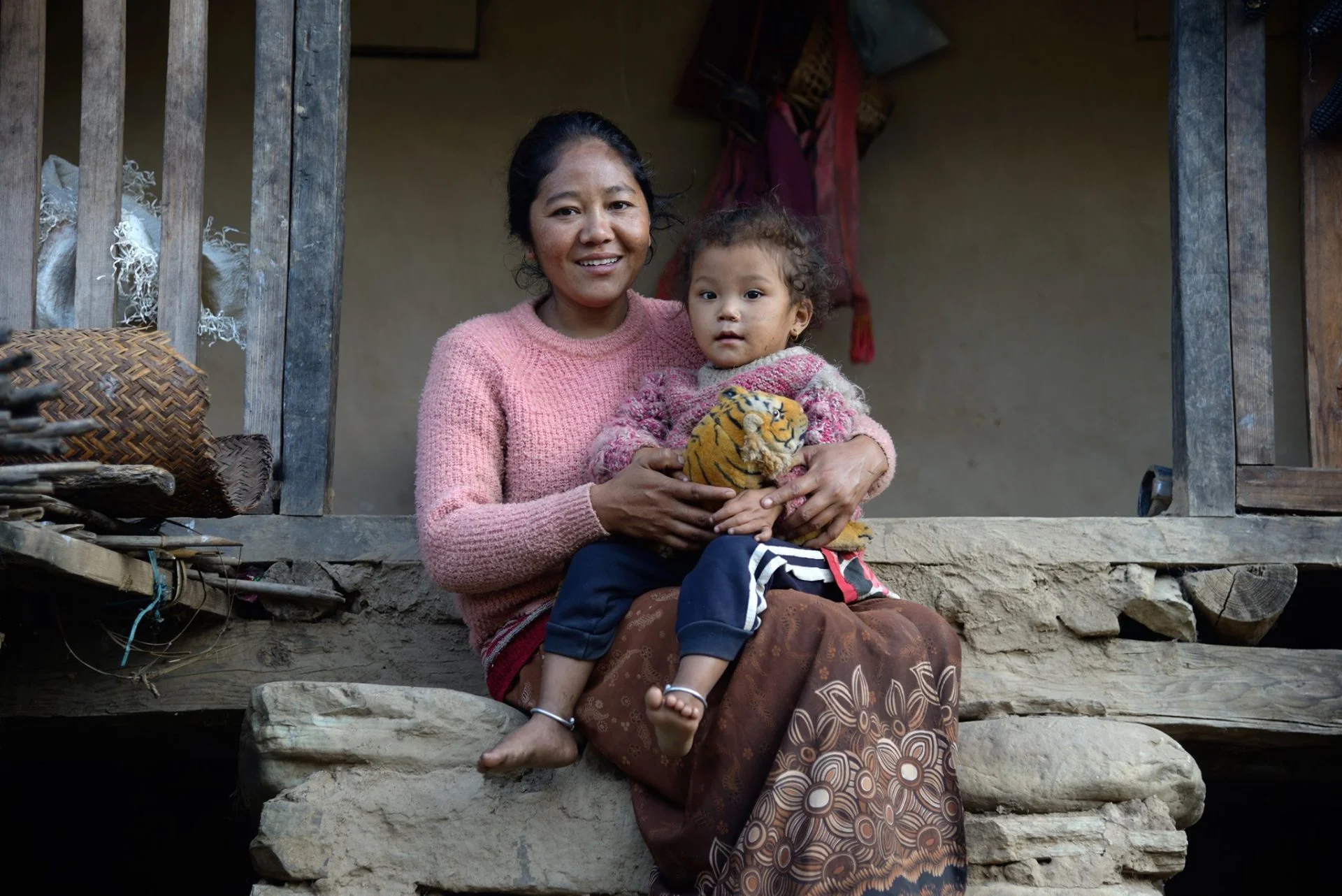
When we first arrived, I am told we all settled in Dullu in a place called Lamji. Then we moved to Purana Gaun and finally in 1853 BS when this land was registered to us, we moved here and have been living here since. We made bangles. We would go to Rajapur market to buy raw material to make bangles. We would take the bangles into different villages and exchange them for grains. Slowly we have also started farming. We live near our hindu brothers and sisters. We still take our sons and daughters to the Dhamis for they have their gods who have done good to the Muslim community. If they are trying to build a temple we offer them our labor. We donate to their causes. And they come and help us too. When time came to construct a roof in our Masjid, the hindu brothers came carried the cement and constructed it for us. We butchered a goat and ate together and made merry. They call us in their weddings and we attend with great happiness. They come to our celebrations.
We do not practice Chaupadi. Recently, the police came to destroy their Chau sheds. When they were done, they came to tell us we should encourage the Hindus to abandon these practices that troubles their women. We have this knowledge that without a flowers bloom, there is no fruit. The blood of women is like flower and they come without any sin. Sinners are those who frown upon the blood of women."